If you’ve just received a letter from the government about taking part of your land, you’re probably worried about what happens next. Eminent domain can be confusing, and one of the trickiest parts is figuring out what “severance damages” mean. In this guide, you’ll learn what severance damages in eminent domain really are, why they matter, and how they might affect what you get paid if your property is being taken.
What Are Severance Damages in Eminent Domain?
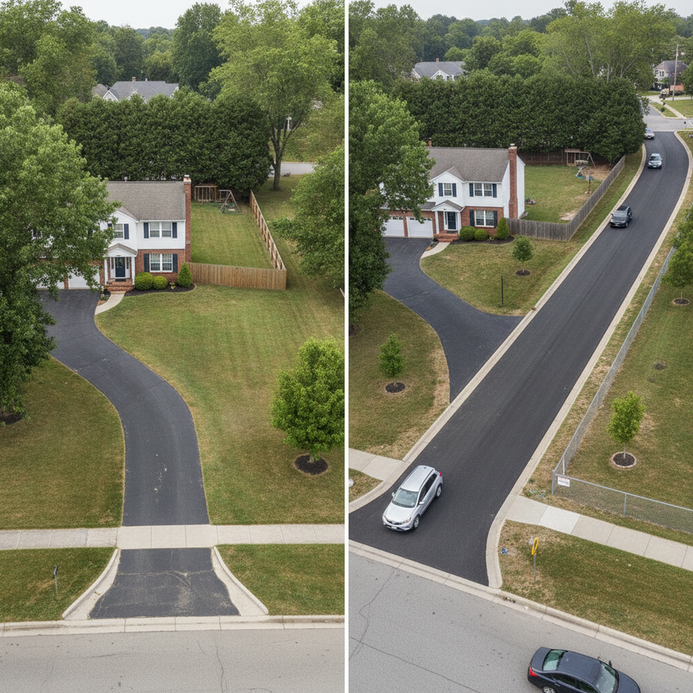
When the government takes land through eminent domain, it sometimes only takes a portion of your property, not the whole thing. Severance damages are a type of compensation you may be entitled to if the part that’s left behind (the “remainder”) loses value because of the taking. The idea is pretty simple: if your property ends up worth less after the government takes a chunk of it, you should be paid for that loss.
For example, imagine your house sits on two acres, and the government takes half an acre for a new road. If the road makes your remaining land noisier or harder to access, the value of what’s left might drop. Severance damages are meant to cover that difference.
You might hear other terms like “compensation for diminished value” or “indirect damages,” but they all mean the same thing. It’s about making you whole for the loss in value, not just paying for the land they actually take.
How Severance Damages Are Calculated
Figuring out the right amount for severance damages in eminent domain isn’t always straightforward. It’s not just about looking at what was taken, but also about how the taking affects what remains. Usually, this comes down to a before-and-after comparison.
First, an appraiser estimates what your entire property was worth before any land was taken. Then, they figure out what the remaining property is worth after the taking and any new impacts, like noise, less privacy, or awkward shapes. The difference between these two numbers is the severance damage.
Common Factors That Affect Severance Damages
There are a few main things appraisers and courts look at:
- Changes in access (Is it harder to get to your house or business?)
- Loss of privacy or views
- New noise or traffic from roads or utility lines
- Odd-shaped leftover land that’s harder to use or sell
- Impacts on zoning or ability to develop in the future
Every property is unique, and small changes can make a big difference. For example, if a new highway cuts across your yard, the noise and dust might lower the value of your home even if you still own most of your land.
Severance Damages vs. Direct Damages: What’s the Difference?
One of the most confusing things about eminent domain is the difference between direct damages and severance damages. Direct damages are the payment you get for the part of your land the government actually takes. Severance damages cover the loss in value to what you still own.
Let’s say the government takes 20 feet off the back of your lot for a new water line. Direct damages would be the fair market value of that strip of land. But if losing that strip means your backyard is too small for a pool, or your fence now sits right next to a busy path, the rest of your property might be worth less. Severance damages are meant to cover that extra loss.
In some cases, the government might build something to “cure” or fix the problems caused by the taking, like adding a new fence or driveway. These fixes are called “cure measures.” If they work, they can reduce or even eliminate severance damages. But if they don’t fully solve the problem, you may still be owed additional compensation.
How to Know If You Qualify for Severance Damages
Not every property owner whose land is taken will qualify for severance damages. The key question is whether the taking actually hurts the value of what you have left. If the remainder of your property is just as useful and valuable as before, you might not be entitled to extra money.
But if you notice any of these signs, severance damages could apply:
- Is your property now a strange or awkward shape?
- Is it harder to get in and out of your driveway?
- Have you lost privacy, quiet, or a nice view?
- Will it be harder to sell or develop your land in the future?
If you answered yes to any of these, it’s worth asking for a professional appraisal or talking to someone who understands eminent domain claims. Sometimes the impacts are obvious, but other times they’re subtle and easy to overlook until it’s too late.
The Process of Claiming Severance Damages
If you think you might be owed severance damages in eminent domain, there are some important steps to follow. The process can feel overwhelming, but knowing what to expect makes it easier.
First, review any offer or notice from the government carefully. These documents should outline what land is being taken and what compensation is being offered. Look for any mention of severance damages. If it’s not clear, ask directly.
Next, you may want to hire a qualified appraiser who understands eminent domain cases. They’ll compare your property’s value before and after the taking, considering all possible impacts. In some states, the government will reimburse reasonable appraisal costs if you end up negotiating or going to court.
Once you have an appraisal, you can negotiate with the government. Sometimes they’ll agree to increase the offer. Other times, you may need to go to court to argue for a fairer amount. The process varies by state, and strict deadlines often apply. Missing a deadline can mean losing your right to claim extra damages.
If you’re not sure where to start, sites like eminentdomain.help can point you toward local experts who handle these cases every day. They can help you avoid costly mistakes.
Real-World Examples of Severance Damages
To make all this a bit clearer, let’s look at a few examples of how severance damages in eminent domain play out in real life.
Imagine a family owns a corner lot with a small business on it. The city decides to widen the road and takes a strip from the front. Now, customers have to make a tricky turn to get in, and there’s no room for parking. Even though the business still owns most of the property, it’s worth less because it’s harder for customers to visit. That loss in value is what severance damages aim to cover.
In another example, a rural landowner loses a strip of land for power lines. While the lines only cross one edge, the buzzing and possible health concerns make it harder to sell the rest of the land for home sites. The landowner could be entitled to severance damages for the drop in market value.
Not every case is cut and dry. Sometimes, the government’s offer won’t mention severance damages at all. Other times, they’ll argue that the leftover land is just as valuable as before. That’s why understanding your rights and getting a good appraisal is so important.
Tips for Protecting Your Rights as a Property Owner
Dealing with eminent domain is stressful, but there are ways to protect yourself and make sure you’re treated fairly.
- Don’t rush into accepting an offer. Take time to review everything.
- Get a second opinion from a qualified appraiser or eminent domain expert.
- Keep records of any changes to your property’s use or value.
- Ask detailed questions about how compensation was calculated.
- Watch the calendar, deadlines for appeals or negotiations can be short.
It’s also smart to learn about your state’s specific rules, as the details of severance damages in eminent domain can vary. Many states have free resources to help property owners understand their options.
![Aerial view of a suburban property split by a new road, showing the before and after, with noticeable changes to the yard, access, and privacy. Realistic, daylight, US suburb.]
Conclusion
Severance damages in eminent domain are all about making sure you’re compensated for the loss in value to your remaining property, not just for the land that’s taken. The process can be confusing, but knowing your rights and getting the right help can make a huge difference. Contact us to learn more.