Ever opened your mailbox and found a letter saying the government wants your property? It’s a shock. Your first thought might be, “Can you refuse eminent domain?” You’re not alone. Many property owners don’t know their rights or what steps to take next. In this guide, you’ll learn what eminent domain really means, what options you have to fight or negotiate, and how to protect yourself if the government comes knocking.
What Is Eminent Domain?
Eminent domain is the legal power that lets government agencies take private property for public use. Examples include building roads, schools, or utilities. The government must pay you “just compensation,” which is usually fair market value for your property. But sometimes that offer can feel anything but fair.
This power comes from the Fifth Amendment to the U.S. Constitution. It says your property can’t be taken without fair payment and a clear “public use.” Local and state governments also have their own rules that affect how eminent domain works in your area. If you’ve gotten a notice, it means a process has started, but you do have rights.
Can You Refuse Eminent Domain? The Short Answer
Most people want a simple answer: can you refuse eminent domain? Here’s the honest truth. You can’t simply say no and expect the process to end. The government has the legal right to take property for public use, even if you don’t want to sell. However, you can challenge the process, dispute the offer, and sometimes even stop the taking if the government doesn’t follow the rules.
Refusing isn’t as simple as ignoring the notice or telling them to leave. Instead, you have options to push back, slow things down, or negotiate a better outcome. Knowing your rights is the first step.
Your Rights as a Property Owner
When the government tries to use eminent domain, you’re not powerless. You have several important rights at every step of the process. Here’s what you can expect:
- Notice: You must get a written notice before anything happens. This usually explains what land is needed and why.
- Appraisal: You have the right to see how the government valued your property and to get your own independent appraisal.
- Negotiation: You can negotiate for a higher offer. The first offer is rarely the final word.
- Challenge: You can challenge the taking itself (for example, if you think the project isn’t actually for public use) or dispute the compensation offered.
- Hearing or Trial: If you can’t agree, you have the right to a court hearing or trial to argue your case.
- Compensation: You’re entitled to “just compensation,” which should reflect your property’s true value, including buildings, land, and sometimes even business losses.
If any of these steps are skipped, you may have grounds to contest the process. It’s important to keep every letter and document you receive and to respond quickly to any deadlines.
Common Reasons to Challenge Eminent Domain
You might feel like you have no say, but there are real reasons property owners have challenged eminent domain, and sometimes won. Here are the most common ways people push back:
Questioning Public Use
The government must prove the project really serves the public. Building a highway or school is clear, but taking land for private development can be murkier. Courts look closely at projects that mostly benefit private companies or don’t have a clear public purpose.
Disputing Just Compensation
“Just compensation” isn’t always what’s offered in that first letter. You can argue that your property is worth more, especially if it has special features, future development potential, or is important to a business. Independent appraisals and expert witnesses can help make your case.
Flaws in the Process
The law requires the government to follow specific steps. If they skip a notice, rush the timeline, or don’t offer a fair chance to respond, you may have a strong procedural challenge.
Environmental or Community Impact
Sometimes, projects can be challenged for environmental reasons or because they harm a unique community. These cases can be complex, but they’re not impossible.
What Happens If You Refuse to Sell?
Let’s say you don’t want to give up your land. What happens next? Here’s how the process usually unfolds:
- The government will try to negotiate and may make several offers.
- If you still refuse, they can file a court action (called “condemnation”) to take the property.
- The court decides if the taking is legal and if the compensation is fair.
- If the court sides with the government, you must sell, but you’ll receive the payment the court decides.
- If you win, the taking may be stopped or the price may go up.
You don’t have to move out overnight. The process can take months or even years, especially if you contest it.
How to Protect Yourself and Your Property
If you’ve received an eminent domain notice, here’s what you can do to protect your interests:
- Act Quickly: Many deadlines are short. Don’t let the clock run out.
- Gather Documents: Keep every letter, map, and notice in a safe place. Write down any conversations with officials.
- Get an Independent Appraisal: The government’s offer might be low. A private appraiser can show the real value.
- Consider Expert Help: While eminentdomain.help isn’t a law firm, there are lawyers, appraisers, and expert witnesses who specialize in eminent domain. They can help you negotiate or fight in court.
- Know Your Local Laws: State rules can be very different. Some states give you extra protection or require more compensation.
- Connect With Others: Sometimes, neighbors facing the same project can band together to challenge a taking.
Taking these steps won’t guarantee you’ll keep your property, but they often lead to better outcomes, either by stopping a questionable project or raising the compensation you receive.
What to Expect from the Eminent Domain Process
The process can feel overwhelming. Here’s a rough outline of what happens, so you know what to expect:
- Initial Notice: You’ll get a letter saying your property is needed for a project.
- Property Valuation: The government will send an appraiser to estimate your property’s value.
- Offer and Negotiation: You’ll get a written offer, which you can accept or challenge.
- Condemnation Proceedings: If you don’t agree, the government files in court to take the property. You’ll get a chance to present your case.
- Court Decision: A judge or jury decides if the taking is allowed and how much you’ll be paid.
- Payment and Possession: If the court approves, you get paid and the government takes possession. You may have time to move out, depending on local laws.
Throughout, you have the right to be heard. You can also appeal some decisions if you think the court got it wrong.
Real-World Examples: When Refusing Works, and When It Doesn’t
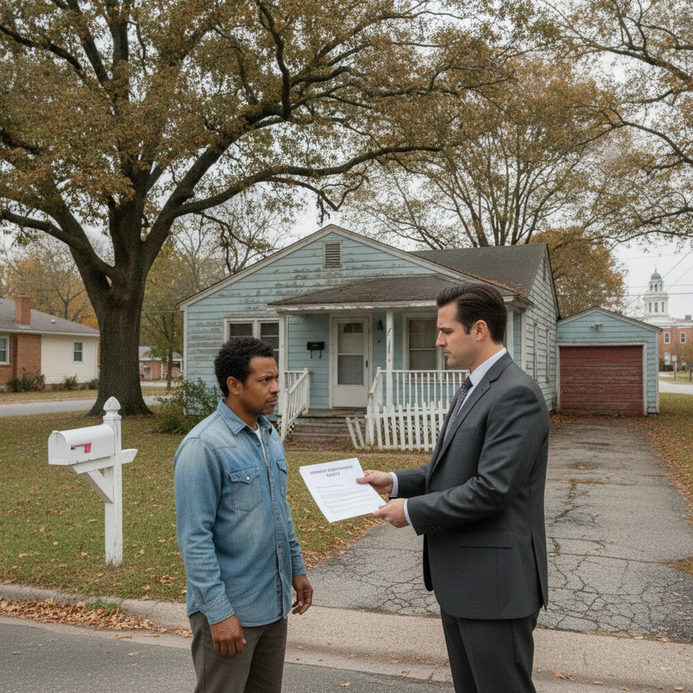
Some property owners have successfully challenged eminent domain. For example, a group of homeowners once stopped a city from taking their neighborhood for a private shopping center by proving the project didn’t serve a true public need. In another case, a business owner didn’t stop the taking but negotiated a much higher payment by showing the property’s value for future development.
But there are also cases where the government’s need for a highway or water line is clear. In those situations, even strong objections can’t stop the taking, though they might improve the offer.
The bottom line is that each case is different. The law gives you the right to challenge and negotiate, but it rarely guarantees you’ll keep your property if the project is truly for public use and all rules are followed.
[Inline Image Placeholder]
alt text: “A government official hands a property owner an eminent domain notice in front of a modest house. The owner looks confused but determined. The scene is set in a small American town. Realistic style.”
image prompt: “A government official hands a property owner an eminent domain notice in front of a modest house. The owner looks confused but determined. The scene is set in a small American town. Realistic style.”
Conclusion: Know Your Rights, Take Action
Eminent domain can feel intimidating, but you have important rights and real options. While you can’t always refuse eminent domain outright, you can challenge the process, negotiate for better compensation, and make sure you’re treated fairly every step of the way. Don’t wait, contact us to learn more.